Accelerating Parkinson’s Disease Discovery: An in Silico Zebrafish Predictive Model
Department of Anatomy, Faculty of Medicine, University of Malaya, Kuala Lumpur, Malaysia. · Basic Medical Science Department, Kulliyyah of Medicine, International Islamic University Malaysia (IIUM), Kuantan, Malaysia.
En esta página
Resumen
Parkinson’s Disease (PD) remains a major neurodegenerative disorder lacking disease-modifying therapies. Traditional single model approaches often fail to capture the complex molecular, environmental, and genetic interactions that drive disease heterogeneity. This narrative review focuses on the emerging paradigm of hybrid modeling, using zebrafish (Danio rerio) experimentation with in silico computational and AI-driven pipelines to advance PD research. Zebrafish provide a strong in vivo system to study dopaminergic neurodegeneration, mitochondrial dysfunction, oxidative stress, and behavioral phenotypes with high translational value. In parallel, computational neuroscience and systems biology tools, including network pharmacology, molecular docking, virtual screening, transcriptomic profiling, and machine-learning–based predictive models, enable rapid hypothesis generation and therapeutic discovery. By combining these two modalities, hybrid platforms help to understand of PD pathogenesis and allow effective identification of biomarkers, drug candidates, and gene–environment interactions. This review highlights the current evidence, methodological advances, challenges, and future directions for establishing zebrafish–in–silico hybrid pipelines as next-generation tools for PD precision research. Importantly, this review proposes an integrated framework that bridges in vivo zebrafish models with in silico and AI-driven approaches, offering a novel strategy to accelerate translational discovery in PD.
Palabras clave
- Parkinson’s Disease
- Neurodegeneration
- Zebrafish
- In silico modeling
Introduction
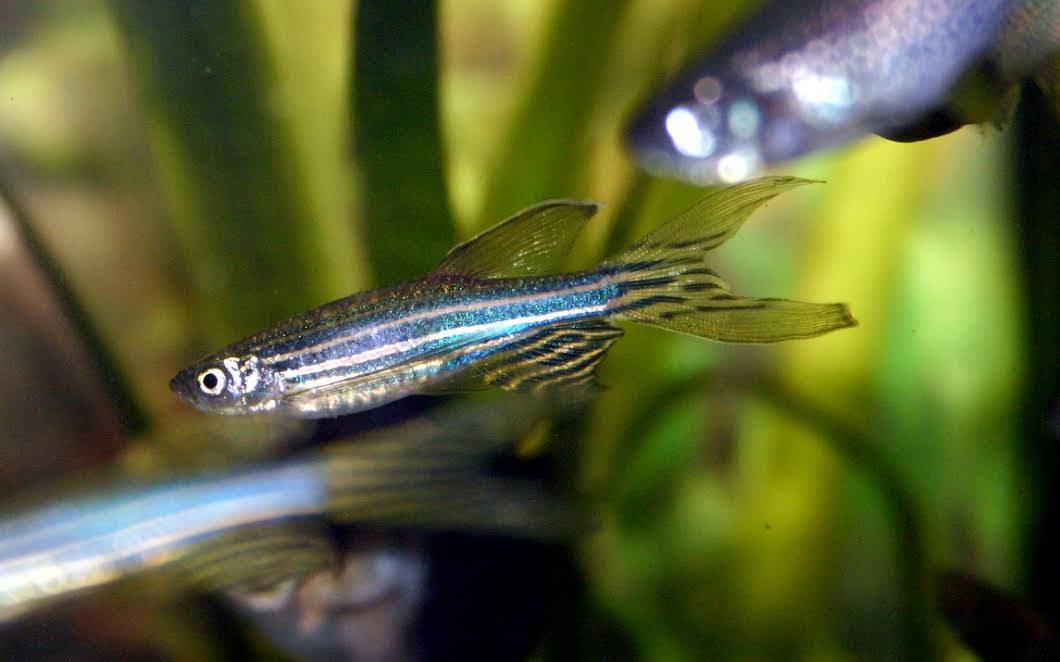
Figure 1. Accelerating Parkinson’s Disease Discovery: An in silico Zebrafish Predictive Model. Parkinson’s disease (PD) is a chronic, progressive neurodegenerative disorder characterized by both motor and non-motor symptoms that impair movement and reduce quality of life (DeMaagd & Philip, 2015; Razali et al., 2021). PD results from two main thing which are the gradual loss of dopaminergic (DA) neurons in the substantia nigra pars compacta (SNpc) and the accumulation of misfolded α‑synuclein in the nigrostriatal system (Lopez et al., 2022). PD is the most common movement disorder, and after Alzheimer’s is the second most prevalent neurodegenerative disease (Luo et al., 2025). According to the Global Burden of Disease Study, the worldwide prevalence of PD increased from approximately 3.15 million patients in 1990 to 11.77 million in 2021, and is projected to reach up to 25.2 million by 2050 (Luo et al., 2025; Su et al., 2025). PD is a multifactorial disorder influenced by genetic and environmental factors, however, its etiology remains largely unknown (Kouli et al., 2018). While monogenic forms are rare, genetic risk factors are identified in approximately 5-10% of cases, often with a hereditary predisposition (Tysnes & Storstein, 2017). Pesticides, herbicides, and industrial chemicals are all examples of environmental factors that increase the risk of PD (Luo et al., 2025; Tysnes & Storstein, 2017). Age is considered the strongest risk factor, with a median onset around 60 years and incidence peaking in those aged 70-79. The prevalence of PD varies across regions, with a higher rate reported in Europe, North and South America compared to Africa, Asia, and the Middle East (Kouli et al., 2018). PD is biologically complex involving multiple interacting pathways, including mitochondrial dysfunction, oxidative stress (OS), neuroinflammation, and synaptic failure. This complexity leads to variable symptoms and disease progression, indicating that single-pathway or single-cell models cannot fully capture the mechanisms of PD or predict patient responses to treatment (Subramanian et al., 2024).
Suitable species of animal models for research should share anatomical, and genetic similarities with humans. Common examples include roundworms, fruit flies, zebrafish, rodents, and non-human primates (Razali et al., 2021). However small models like yeast, worms, and fruit flies can express human PD genes to study protein roles, they cannot fully replicate protein interactions, neuronal loss, or clinical symptoms (Potashkin et al., 2011). Rodents are widely used in research because of their availability and genetic tractability, whereas larger animals face ethical and financial constraints. In vitro systems allow controlled mechanistic studies but lack whole-organism context, including neural circuitry, pharmacokinetics, and immune-vascular interactions (Razali et al., 2021). Zebrafish present a unique compromise, offering numerous practical advantages as a model organism, including small size and low maintenance costs, transparent and rapidly developing ex utero embryos, and exceptional genetic tractability (Parker et al., 2013). When combined with in silico approaches, zebrafish models allow researchers to efficiently generate and test hypotheses, optimize experimental design, and validate findings in a whole-organism context (Mwaffo et al., 2017). This hybrid approach leverages both the in vivo relevance of zebrafish and the predictive power of computational tools, addressing limitations of other animal and in vitro models. The complex and multifactorial nature of PD makes it extremely challenging to develop a single model that captures all key neuropathological features. Hybrid modeling is a new approach to PD research, which combines biological studies with computational and AI-driven analysis. (Lopez et al., 2022). In many recent PD studies, wet-lab experiments are increasingly used with in silico approaches to enhance mechanistic understanding and accelerate discovery. For example, network-based analyses and docking workflows can screen large chemical libraries against PD-related proteins, with promising compounds subsequently validated in cellular or animal models, creating a feedback loop that continuously refines both experimental and computational predictions (Laub et al., 2023). In a recent study using an ex vivo mouse brain model, metabolomic analysis revealed energy-related abnormalities, which were further examined with an in silico kinetic model that simulated mitochondrial dysfunction, predicted ATP loss, and identified stress-response pathways not detectable through experiments alone (Poliquin et al., 2013). Similarly, in vivo and in silico approaches are used to model PD and investigate underlying cellular changes. Omics data from these models can be analyzed using genome-scale metabolic models and AI tools, linking molecular alterations to disease outcomes (Cesur et al., 2025). In this context, the zebrafish model is particularly valuable because of its unique advantages, such as optical transparency, a vertebrate central nervous system with conserved composition and organization, and ease of genetic manipulation, making it an ideal platform for investigating PD mechanisms. Zebrafish are a well-suited for behavioral neuroscience research because they exhibit a range of cognitive and social processes comparable to humans, including learning, memory, fear, anxiety, perception, social interactions, and sleep patterns (Poliquin et al., 2013; Razali et al., 2021). Zebrafish enable integration of in silico and phenotypic screening, allowing compounds to be computationally prioritized and efficiently tested for efficacy and toxicity, accelerating discovery at lower cost before preclinical stages (Cornet et al., 2018). This review presents the current landscape of in silico modeling in PD research using zebrafish, focusing on the integration of computational and experimental approaches, their advantages and limitations, and potential applications in precision medicine.
Pathophysiology of Parkinson’s Disease
The progressive degeneration of dopaminergic neurons in the SNpc of PD patients. leads to striatal dopamine exhaustion and disruption of basal ganglia circuitry resulting in cardinal motor symptoms of bradykinesia, rigidity, tremor, and postural instability (Moustafa et al., 2016). In parallel, widespread extranigral pathology and non‑dopaminergic involvement underlie the prominent non‑motor features that begin years before motor onset. The key neurotransmitter dopamine (C₈H₁₁NO₂) is mainly produced in the substantia nigra, with additional synthesis in the ventral tegmental area and hypothalamus. Dopamine is important because of its function to control movement, reward, motivation, and several cognitive and hormonal functions (Latif et al., 2021). Figure 2 shows the difference between the healthy and PD substantia nigra. Figure 2. Comparison between healthy and degenerated dopaminergic signaling in Parkinson’s disease. Figure generated with BioRender. The prodromal stage of PD can begin 12-14 years before diagnosis. The pathology may first appear in the peripheral autonomic system or the olfactory bulb before going to the brainstem and reaching the substantia nigra. This progression gives rise to non-motor symptoms such as hyposmia, constipation, and rapid eye movement sleep disturbances that precede motor signs (Kouli et al., 2018). However, the precise mechanism of PD is still unclear, but evidence indicates that the oxidation of endogenous dopamine can trigger OS in dopaminergic neurons (Zhou et al., 2023). Examples of early symptoms include mild tremors, stiffness, slow movements. These symptoms develop slowly, making them difficult to detect (Maiti et al., 2017). Neuronal degeneration results from multiple mechanisms, such as α-synuclein aggregation which lead to form Lewy bodies, OS, mitochondrial dysfunction, and apoptosis (Dong-Chen et al., 2023). According to studies neuron-derived exosomal α-synuclein in plasma is related to motor dysfunction, showing its potential as a non-invasive biomarker for early PD detection (Sepúlveda et al., 2022). Reactive oxygen species (ROS) play vital physiological roles in cell signaling, immune responses, and apoptosis (Sepúlveda et al., 2022). However, when there is excessive ROS in the cell, this leads to OS, resulting in damage to proteins, lipids, and enzymes, and ultimately causing neuronal death, particularly in dopaminergic neurons (Dong-Chen et al., 2023). Early interventions have the potential to slow PD progression and provide neuroprotection, such as antioxidant therapy, dopaminergic precursors, or strategies to reduce α-synuclein toxicity. Understanding the early pathological changes is important for the development of biomarkers and preventive strategies before the motor symptoms appear
(Pizzino et al., 2017). Several PD-linked genes, including PINK1, Parkin, DJ-1, LRRK2, and VPS35, disrupt mitochondrial homeostasis, increase OS, and contribute to Lewy body formation. Impaired autophagy, inflammation, and mitochondria are damaged which lead to cellular damage. Together this process suggests that improving mitochondrial function could be useful for treatment of PD (W. Li et al., 2021; Pozo Devoto & Falzone, 2017). PD pathology starts when DAMPs released from damaged neurons or toxins like MPTP, rotenone, 6-OHDA, and misfolded α-synuclein activate microglia, which increase ROS and nitric oxide, causing OS and further neuronal damage (Grotemeyer et al., 2022). ROS and DAMPs also trigger the NLRP3 inflammasome, generating inflammatory markers such as IL-1β and other cytokines, while NF-κB amplifies pro-inflammatory gene expression (H. Li et al., 2023). Chronic stress shifts microglia from anti-inflammatory M2 to pro-inflammatory M1, leading to an increase in inflammation. The adaptive immune system (CD4+ T cells, complement) and peripheral inflammation (gut-derived LPS, systemic TNF) further exacerbate CNS damage. This cumulative response leads to dopaminergic neuron death, α-synuclein aggregation, and mitochondrial dysfunction, driving PD motor symptoms (Grotemeyer et al., 2022; H. Li et al., 2023). Figure 3 shows the inflammatory pathway in the substantia nigra. Figure 3. Neuroinflammatory pathway in PD. DAMPs, ROS, and protein aggregation activate microglia to shift from M2 to M1, leading to mitochondrial dysfunction and excess ROS production. This activates the NLRP3 inflammasome and results in the release of IL-1β, which then attaches to the receptor on the cell surface, leading to activate NF-κB. NF-κB- promotes the expression of inflammatory cytokines and result in apoptosis, contributing to dopaminergic neuron loss in PD. The schematic was created with BioRender.
Zebrafish as a Model for Parkinson’s Disease Zebrafish have emerged as a strong model for studying PD due to their genetic and neuroanatomical similarity to humans, as well as they show human-like behaviors including learning, memory, and locomotion, making zebrafish a versatile platform for preclinical and translational PD research (Razali et al., 2021). Figure 3 summarizes the advantages of zebrafish. Dopaminergic neurons appear in zebrafish embryos by 1 dpf, with the CNS fully organized by 3 dpf. These neurons are sensitive to mitochondria-targeted OS (Solheim et al., 2026). In zebrafish, toxin exposure activates inflammatory pathways such as HMGB1, TLR4, and NF-κB, paralleling mechanisms implicated in PD, while transgenic lines expressing human α-synuclein allow the study of protein aggregation, Lewy body formation, and dopaminergic neurotoxicity (Bangeppagari et al., 2025a). Figure 4 summarizes the advantages of zebrafish.
Figure 4. Advantages of using zebrafish as a model for PD research. The schematic highlights key benefits of the zebrafish model. The schematic was created with BioRender.
As a vertebrate model, zebrafish have many advantages for PD research, such as high genetic
conservation, optical transparency for real-time neural imaging, rapid development, and high
fecundity, leading to efficient, high-throughput studies of PD pathogenesis and therapeutic
interventions (Razali et al., 2021). Moreover, zebrafish offer flexibility in modelling different
aspects of PD pathogenesis, as both neurotoxin-induced and genetic models have been
established (Pansera et al., 2025; Razali et al., 2021). These models reproduce distinct
pathological and behavioural phenotypes, including dopaminergic neuronal loss, reduced
locomotor activity, mitochondrial dysfunction, and OS (Kin et al., 2019) (Table 1). Among the
6-hydroxydopamine
1-methyl-4-phenyl-1,2,3,6-tetrahydropyridine (MPTP), and rotenone are widely used to induce
selective dopaminergic neurodegeneration and motor deficits (Schober, 2004). Transgenic or
knock-in models carrying PD-related genes such as synuclein alpha gene (SNCA), leucine-rich
repeat kinase 2 (LRRK2), PTEN-induced kinase 1 (PINK1), Parkin RBR E3 ubiquitin protein
ligase (PARK2), and glucosylceramidase beta 1 (GBA1) exhibit progressive neurodegeneration, synaptic dysfunction, and impaired motor behaviour, closely resembling key features of PD (Konnova & Swanberg, 2018).
| Model Type | Agent / Gene | Mechanism of Action | Phenotypes in Zebrafish | Advantages | Limitations | Citation |
|---|---|---|---|---|---|---|
| Toxin-based | 6-OHDA | Dopaminergic neurotoxin | Dopaminergic neuron loss; reduced locomotion | Rapid and reproducible | Requires injection; non-progressive pathology | (Razali et al., 2021) |
| Toxin-based | MPTP | Converted to MPP+; inhibits mitochondrial complex I | Mitochondrial dysfunction & motor deficits | Well-established PD model | Transient effects; species differences in MAO | (Razali et al., 2021; Tagkalidou et al., 2025) |
| Toxin-based | Rotenone | Direct mitochondrial complex I inhibitor | Motor impairment; DA neuron degeneration | Mimics environmental PD toxicants | High variability; systemic toxicity | (Kalyn et al., 2019; Subhan & Siddique, 2024) |
| Genetic model | SNCA (α-synuclein) | Protein aggregation and Lewy body formation | α-syn aggregation; dopaminergic dysfunction | Models synucleinopathy | Overexpression artifacts; no direct SNCA ortholog; expression differences | (Noor & Norazit, 2022) |
| Genetic model | LRRK2 | Kinase dysregulation; mitochondrial stress | Subtle motor deficits; altered mitochondrial dynamics | Models’ common familial PD mutation; potential for neuron loss and behavioral defects | Phenotype inconsistent; normal function unclear; reliability as a PD model uncertain | (Ren et al., 2011) |
| Genetic model | PINK1 | Defective mitophagy and mitochondrial function | Mitochondrial defects; DA neuron vulnerability | Strong mechanistic link to PD | Transient knockdown effects; variability | (L. J. Flinn et al., 2014) |
| Genetic model | Parkin (PARK2) | Impaired ubiquitin-mediated mitochondrial turnover | Mitochondrial dysfunction; mild motor changes | Conserved pathway | Limited behavioral phenotype | (L. Flinn et al., 2008) |
| Genetic model | GBA1 | Lysosomal dysfunction and impaired lipid metabolism | Lipid buildup; α-syn accumulation; neurobehavioral changes | Relevant to sporadic PD | Species differences; complex disease modelling | (Keatinge et al., 2015) |
In silico Approaches in Parkinson’s Disease Research
In silico models provide advanced predictive capabilities, rapid screening capacity, and mechanistic insights that complement traditional experimental approaches in PD drug discovery (Himwaba et al., 2026). These approaches are increasingly integrated into experimental and clinical research, as they enable large-scale data integration, mechanistic disease modelling, and virtual drug screening, thereby accelerating and improving PD research (Schmidt et al., 2013). Computational modelling techniques Biophysical computational models that aim to study neurological diseases use both experimental data and theoretical frameworks. Striatal activity is typically modelled using medium spiny neurons (MSNs) and fast-spiking interneurons (FSIs). In PD, loss of dopaminergic input from the SNc leads to reduced direct-pathway (D1 MSN) activity and improved indirect-pathway (D2 MSN) signalling, producing excessive thalamic inhibition. These models mimic PD neurodynamics by changing MSN connectivity, inhibitory balance, and dopamine-dependent parameters (Yu et al., 2020). Complementing these mechanistic models, Bayesian and machine learning approaches predict PD risk, progression, and prodromal markers by analyzing complex interactions among clinical, genetic, and environmental variables (Sood et al., 2023; J. Zhang et al., 2023). Evolutionary algorithms (EAs) offer a strong ML approach for analysing motor dysfunction in PD. This EA framework can be applied to animal models, where movement data from video tracking can be classified to detect PD-related genetic mutations. This cross-species applicability provides an objective and scalable computational tool for assessing motor dysfunction and evaluating the effects of existing or novel PD therapies (Smith et al., 2015). Traditional models treat the early symptoms as independent variables, Bayesian networks take over these limitations by merging prior knowledge with longitudinal TREND study data allowing probabilistic modelling of key marker interactions, prediction of PD risk, and generation of realistic synthetic patient profiles (Y. Zhou et al., 2021). By capturing variability in disease progression, accounting for patient heterogeneity, and handling outliers in longitudinal datasets, these methods provide a more comprehensive and accurate framework for understanding and predicting prodromal PD(Sood et al., 2023). The prediction of protein–protein interaction sites, including antigen–antibody interfaces, has been improved by deep learning approaches, like graph convolutional networks with attention mechanisms. Mixing these predicted binding regions into docking workflows improves accuracy and reduces false positives, highlighting their potential application to PD-related targets such as α-synuclein and LRRK2 in structure-based drug discovery (Sunny et al., 2023). CADD has accelerated PD drug discovery by enabling targeted virtual screening and lead optimization against disease-specific targets like α-synuclein and DJ-1 (Makhouri & Ghasemi, 2018).CADD highly filters large compound libraries into PD-active hits, optimizes leads for affinity and ADMET properties using QSAR and molecular dynamics simulations, and designs
novel derivatives via pharmacophore modelling and fragment-based approaches compared with Compared with traditional high-throughput screening (Makhouri & Ghasemi, 2018; Sliwoski et al., 2014). These approaches have already yielded PD-focused candidates, including MAO-B inhibitors and neuroprotective compounds, illustrating the potential of computational strategies in neurodegenerative drug discovery (Sliwoski et al., 2014). Common in silico methods in PD drug research include virtual high-throughput screening (vHTS), molecular docking, quantitative structure–activity relationship (QSAR) models, pharmacophore modelling, molecular dynamics (MD) simulations, and ADME / toxicity prediction (Makhouri & Ghasemi, 2018). In silico virtual screening identifies neuroprotective candidates for PD by scanning large chemical libraries against key protein targets. For example, virtual screening of the ZINC database for structural analogs of known neuroprotectants, decreasing candidates from 50 to 7 through toxicity, carcinogenicity, and docking filters, yielding molecules like SS2 with strong DJ-1 binding. This approach accelerates the discovery of non-toxic agents capable of modulating neurodegeneration (Sharan et al., 2021).
Virtual Screening & Molecular Docking Against PD Targets
The kinase domain of LRRK2 is composed of 14 secondary structural elements, made up from nine α-helices, three β-sheets, and two intrinsically disordered regions (Wei et al., 2025). LRRK2 is a key target in PD, as its mutations contribute to dopaminergic neuron damage. Three promising candidates, including CRA_1801 identified in a recent study and demonstrated high predicted potency (pIC₅₀ > 7). When applying machine-learning (ensemble) QSAR modelling on pIC₅₀ data for LRRK2 inhibitors and screening existing drugs from DrugBank. Molecular docking was then used to predict how these compounds bind to the LRRK2 kinase domain, showing key interactions and helping prioritize them for further validation with molecular dynamics simulations (García et al., 2025). However, while this computational pipeline is grounded in experimentally validated LRRK2 inhibitor structures and activity data, the specific Drug Bank-derived repurposing candidates identified through this workflow remain computationally prioritized and have not yet undergone systematic biological validation. α-synuclein Previous studies used high-throughput docking to identify α-synuclein fibril-binding compounds (Chia et al., 2023), targeting the main pathologic in PD, namely the aggregation of α-synuclein into fibrils. Ligand-based pharmacophore model using 43 diverse ligands, identified critical features for inhibition: two hydrogen-bond acceptors, one hydrophobic region, and two aromatic rings. A complementary 3D-QSAR model (R² = 0.920, Q² = 0.752) further helped in activity prediction and guided the design of novel indolinone derivatives, with in vitro thioflavin-T assays confirming inhibitory activity of up to ~45% (Yang et al., 2021). In parallel, QSAR-driven virtual screening of large compound libraries, including natural products from the LOTUS database, has expanded the chemical space of potential inhibitors. For example, molecular docking and molecular dynamics simulations of 875 phytochemicals identified compounds such as crebanine with favourable binding energies and stable interactions over ~40–60 ns (Boulaamane et al., 2024). According to these findings that shows combining in-silico docking, pharmacophore/QSAR modelling, and MD simulations is a good strategy to identify both synthetic and natural small molecules that may inhibit α-synuclein aggregation (Gupta et al., 2025). However, several challenges remain. Notably,
α‑synuclein exhibits significant conformational variability, transitioning between monomeric, oligomeric, and fibrillar states, which limits the accuracy of structure‑based approaches relying on static models (Gu et al., 2026). Docking alone may not predict biological efficacy, as favorable binding does not guarantee functional inhibition; thus, integrating dynamic structural models with experimental validation is essential for advancing these candidates toward PD therapies (Chia et al., 2023).
MAO-B
The main therapeutic target in PD is MAO‑B, as its inhibition slows dopamine degradation, thereby improving dopaminergic transmission, leading to a reduction in PD symptoms (Mettai et al., 2023). Many studies identify novel MAO‑B inhibitors using virtual screening, molecular docking, and MD simulations, exploring both synthetic scaffolds and natural compounds. MAO-B inhibitors have been discovered by docking FDA-approved drugs and new compounds into the enzyme’s active site, followed by validation using MD simulations and free energy calculations (Khan et al., 2019). In a multi-stage in-silico workflow combining 3D-pharmacophore modelling, 2D-QSAR, ADMET filtering, docking, MD simulations, and MM/PBSA binding free energy calculations was applied to four chemical databases (ZINC, Drug Bank, TCM, and UNPD) for selective MAO-B inhibition. From this screening, 22 top candidates were identified. Among these, four compounds, ZINC21285023, ZINC79651118, ZINC58283019, and UNPD89644 (crotafuran E), shown stable binding, better interactions with key residues such as Cys172 and Tyr435, and performance comparable to or better than the reference drug safinamide, making them strong leads for further experimental validation (Thai et al., 2025).
QSAR Models, Pharmacophore Modelling & Machine-Learning Integration
QSAR modelling is a main ligand-based approach enabling the prediction of a compound’s biological activity from its chemical features without the need for synthesis which complement methods like molecular docking and virtual screening (Adeniji et al., 2018). Studies in silico for neurodegeneration follow a sequential workflow that combines ligand-based approaches (such as QSAR and pharmacophore modelling) with structure-based techniques (like docking and molecular dynamics) (Makhouri & Ghasemi, 2018). For α-synuclein, a ligand-based pharmacophore and 3D-QSAR model built from known inhibitors help in the design of new indolinone derivatives, several of which showed validated anti-aggregation activity in vitro (Yang et al., 2021). For MAO-B, QSAR + docking has been used to propose bioisosteres of known inhibitors (e.g., Rasagiline), enhancing the pool of candidate molecules (Speck-Planche & Kleandrova, 2012). Machine-learning predictive models with QSAR have been used to estimate docking scores or potency, enabling much faster screening. In addition, the MAO-inhibitor study showed that ML models could predict docking scores thousands of times faster than standard docking with little loss in accuracy (Cieślak et al., 2024).
Omics-Driven Computational Discovery
Omics technologies, such as genomics, proteomics, transcriptomics, and metabolomics, enable the study of high-throughput analysis of biological processes by mixing multiple omics, which offers deeper insights into disease mechanisms and normal physiology across different molecular levels (Razali et al., 2022). Metabolomics, mixed with other omics and clinical data, can enable early PD detection and provide system-level insights for therapy (Trifonova et al., 2020). RNA-seq and single-cell RNA-seq and other transcriptomic studies of PD-relevant
tissues reveal differentially expressed genes and cell-type–specific changes. For example, CSF RNA profiling identified protein-coding and non-coding transcripts altered in PD, highlighting potential minimally invasive biomarkers (Hossein-Nezhad et al., 2016). However, transcriptomic studies still have some limitations, for example, it is difficult to separate genuine disease-driven transcriptional changes from shifts in cellular populations because bulk post-mortem brain analyses in PD can be confounded by changes in cell-type composition (Nido et al., 2020). This has spurred the adoption of more refined single-cell and cell-type deconvolution methods, as well as network-based and multi-layer computational analyses. A recent integrative snRNA-seq study across neurodegenerative diseases (including PD) detected both shared and disease-specific transcriptional changes at single-cell resolution, identifying novel regulators (e.g., stress-response genes) and offering deeper insight into cell-type–specific pathology in PD (L.-Y. Fan et al., 2023). Successful identification of potential biomarkers and therapeutic targets using comprehensive bioinformatics pipelines can be by combining differential expression analysis, network modelling, hub-gene detection, and machine-learning-based–based prioritization (F.-L. Zhang et al., 2024). Nevertheless, there are challenges to this computational omics paradigm. Bulk RNA-seq analyses can be confounded by cell-type composition changes, reducing the specificity of DEGs unless carefully corrected (Nido et al., 2020). Also, overlap between transcriptomic and proteomic data remains limited, emphasizing that RNA expression does not always predict protein abundance or functional change (Dumitriu et al., 2016).
The Hybrid Model: Integrating Zebrafish with in silico Tools
Combining in silico methods with in vivo zebrafish models helps in improving therapeutic discovery by allowing each approach to overcome the other’s limitations, resulting in a more precise, efficient, and biologically meaningful hybrid research strategy (Hernández-Silva et al., 2025). Opportunities for Advancing Parkinson’s Disease Research Through Emerging Experimental and Computational Strategies Both machine learning and in silico tools play a vital role in predictive toxicology, with models like QSAR and deep learning enhancing toxicity forecasting and biomarker discovery. There is improvement in the translation of preclinical results due to the use of micro-physiological systems and PBPK modeling, which further offer human-relevant drug response predictions (Son et al., 2024). Precision Toxicology: Integrating Environmental Exposures with Genetic Background It is important to understand how genetic and environmental factors interact across human development to clarify disease origins (Motsinger-Reif et al., 2024). In PD, G×E interactions play a major role in disease onset and progression (Cannon & Greenamyre, 2013). Environmental contributors, including pesticides, industrial chemicals, and heavy metals, have long been associated with elevated PD risk. However, no single pollutant has been confirmed as a main cause (Yin & Horzmann, 2024). Occupational exposures to metals and solvents have also been studied for their potential involvement (Cannon & Greenamyre, 2011, 2013). Using both controlled genetic variation in model organisms with high-resolution computational analyses, this will help precision toxicology to investigate these complex G×E interactions (Yin & Horzmann, 2024). For example, transcriptomic studies in zebrafish exposed to different toxicants have shown that different chemical classes lead to different gene-expression
patterns and co-expression networks, showing that pollutants leave distinct molecular signatures. Integrating these signatures with genetic variation data can help target biological pathways that confer vulnerability to PD (Shankar et al., 2021). Computational methods have advantages as they lead to precision toxicology. Environmental exposures influence gene regulation in PD-relevant cell types can be predicated by polygenic risk scores and epigenetic modeling (Dehestani et al., 2021). Combining multi-omics datasets with exposure histories supports personalized risk assessment, informs drug repurposing strategies, and accelerates biomarker discovery for early diagnosis and therapeutic monitoring (Kshreeraja S et al., 2024).
Rapid Drug Discovery Enabled by Zebrafish and Computational/AI Tools
Zebrafish is considered a strong vertebrate platform for high-throughput screening of neuroprotective or neurorestorative compounds relevant to PD (Bangeppagari et al., 2025). For example, a recent study used zebrafish model of dopaminergic-neuron ablation to study the renin-angiotensin-aldosterone system (RAAS), screened over 1,400 bioactive compounds and identified several candidate neuroprotective agents, showing the potential for rapid preclinical drug discovery (Le Bras, 2021). Zebrafish assays are highly scalable and compatible with automated imaging and behavioral tracking, allowing for combination with computational drug-matching algorithms, phenotypic clustering, and machine-learning frameworks for hit prioritization (Fusco & Allen, 2022). AI applications in zebrafish research help in high image recognition and automated analysis, improving behavioral, genetic, and neural assessments. This led to enhanced identification of gene–function relationships, disease modeling, and therapeutic development (Y.-L. Fan et al., 2023). AI in new research is increasingly used to analyze the behavior of many individual zebrafish, ranging from a few to hundreds, while also detecting the effects of chemical exposures and their interactions (Bashirzade et al., 2022).
Multi-Ancestry Genetic Insights with Zebrafish Functional Validation
Zebrafish have genetic similarity to humans, easily manipulable gene expression, and relevance to human pathology (Bangeppagari et al., 2025). Zebrafish sequenced genome, high homology, and conserved synteny with humans allow functional validation of candidate genes and variants identified in large-scale genetic studies, including rare or non-coding variants linked to PD. The embryos’ sensitivity to drugs, combined with CRISPR/Cas9 accessibility, enables researchers to assess neurodevelopment, neurodegeneration, and behavior, making zebrafish ideal for testing disease mechanisms and potential therapies (Kabashi et al., 2011). In PD, mutations in 15 genes have been linked to monogenic forms, yet these account for only ~30% of monogenic cases and 3–5% of genetically complex cases (Bangeppagari et al., 2025). Among these, LRRK2 variants are the most common heritable cause, with the p.G2019S mutation contributing to ~1% of sporadic cases and 4% of familial cases (Billingsley et al., 2018). Zebrafish models offer an important bridge between genetic discovery and functional validation, enabling mechanistic insights that span both common and rare genetic contributors to PD.
Modeling PD Progression, Longevity, and Neuroprotection
PD models focus on acute neuronal loss rather than long-term disease progression, resilience, or recovery, which form a major limitation. Adult zebrafish are an excellent system to study not just degeneration but also spontaneous repair, neuroprotection, and resilience because they can regenerate dopaminergic neurons after neurotoxic injury (Vijayanathan et al., 2017). Furthermore, after dopaminergic neuron degeneration (e.g., via 6-hydroxydopamine, 6-OHDA) in adult zebrafish, regeneration occurs within weeks, along with behavioral recovery (Md Hamzah et al., 2021). These features make it easy to study factors that affect disease progression, neuronal vulnerability, aging, neuroprotection, and potential longevity-related pathways, especially when integrated with computational models of gene networks, stress response, and aging dynamics(Kogan et al., 2015).
Limitations and Challenges
Several limitations still exist which affect PD research, even with fast advances in zebrafish models, computational tools, and AI-enhanced analytics (Twala, 2025). However, variability in zebrafish behavioral assays remains a major challenge in neurotoxicology and PD research such as bradykinesia, hypolocomotion, and impaired habituation (Petersen et al., 2022). Behavioral outputs including locomotion, habituation, and learning are highly sensitive to many factors, such as age, sex, tank geometry, illumination, water chemistry, and handling, leading to substantial within- and between-laboratory variability (Gerlai, 2019). This variability complicates the reliable detection of subtle PD-like phenotypes and limits the reproducibility of findings related to early-stage motor dysfunction. Longitudinal studies in adult zebrafish further reveal high intra-individual fluctuations over time, reducing statistical robustness and
making it difficult to model progressive neurodegeneration, a hallmark of PD (Johnson et al., 2025). Another challenge lies in the lack of standardized computational pipelines for analyzing the large datasets produced by high-throughput imaging and behavioral tracking (Hsieh et al., 2022). This is particularly problematic for PD research, where consistent quantification of dopaminergic neuron loss, α-synuclein aggregation, and behavioral phenotypes is essential for validating disease models and therapeutic candidates. Inconsistent metadata reporting, including developmental stage, toxin exposure paradigms (e.g., MPTP or rotenone), and behavioral endpoints, further limits integration into broader neurotoxicological and PD-related frameworks (Jarema et al., 2022; Tanaka, 2025). Although AI and deep learning help to decrease the bias in behavioral analysis. However, their effectiveness is limited by the need for large, diverse, and well-annotated datasets. Recent work shows that machine-vision and pose-estimation tools can classify complex zebrafish behaviors and detect treatment-related differences, their performance is often limited by small sample sizes, limited phenotypic variability, and inconsistent labeling common in academic datasets (Hageter et al., 2025). As a result, while AI can enhance detection of treatment-induced behavioral changes, its utility in predicting disease progression or therapeutic response in PD remains constrained. While zebrafish share conserved dopaminergic pathways and key molecular mechanisms, differences in brain organization, immune responses, metabolism, and lifespan restrict their ability to fully recapitulate hallmark PD pathologies such as Lewy body formation, progressive nigrostriatal degeneration, and late-onset disease progression (Pansera et al., 2025). Zebrafish exhibit simpler behaviours than mammals, limiting their ability to model complex PD features such as cognitive deficits and advanced motor dysfunction. Additionally, the absence of a fully developed nigrostriatal pathway and differences in immune responses restrict the accurate study of dopaminergic neurodegeneration and neuroinflammation. Zebrafish models typically capture acute or sub-acute exposures, whereas human PD often develops after decades of low-dose environmental exposure, an aspect difficult to replicate in short-lived species (Bangeppagari et al., 2025). Collectively, these limitations show the need for harmonized experimental protocols, robust computational standards, larger and better-annotated datasets, and cross-model validation strategies to fully realize the translational potential of zebrafish and AI-driven approaches in advancing PD research.
Future Directions
We propose a hybrid zebrafish–AI conceptual framework for PD research, integrating in vivo neurobiological modeling with in silico predictive analytics. Implementation of this framework would require high-resolution behavioral and imaging data acquisition, standardized experimental protocols to ensure reproducibility, rigorous validation of AI predictions against neurobiological markers, and strategies to maintain model interpretability. This conceptual workflow provides a foundation for early disease detection, mechanistic insight, and therapeutic evaluation in PD, and can be refined iteratively as additional data and technologies become available. Future research is expected to focus on technologies that enhance the precision, scalability, and translational relevance of PD models. Automated detection of subtle motor, cognitive, and sensorimotor impairments that are impossible to identify manually, AI-driven zebrafish
phenotyping will enable to identification it, especially with high-resolution, video-based behavioral tracking, which will enable earlier and more sensitive identification of neurotoxic effects (Bozhko et al., 2022). A recent study demonstrated that an AI-based neural-network system could reliably identify behavioral patterns in adult zebrafish treated with psychoactive drugs, underscoring the feasibility of AI-driven movement-pattern classification in CNS drug and disease research (Lukovikov et al., 2024). According to these advances, we propose a hybrid zebrafish–AI framework that integrates in vivo neurobiological modeling with in silico predictive analytics to support early disease detection, mechanistic insight, and therapeutic evaluation in PD (Table 2). Digital twins are a virtual patient form from molecular, behavioral, and environmental data, forming a strong tool in personalized medicine, enabling mimicking of disease progression and prediction of individual treatment responses (Alexandre Vallée, 2024). This concept parallels recent advances in other fields where wearable-based digital phenotyping has been integrated with genomic data and AI to predict psychiatric and neurological disorders (Liu et al., 2025). Climate change is identified as a global health threat with unclear impacts on brain disorders (Martínez Lozada & Leon-Rojas, 2025), it is important to include this change, like temperature shifts, pollutant patterns, and extreme weather, into neurodegeneration models to clarify population-level PD risk, using the zebrafish model, which offers a scalable platform for studying environmental neurotoxicity under changing climate conditions. Drosophila melanogaster is usually used as a model for neurodegeneration research because of its highly conserved dopaminergic circuitry, rapid generation time, and ease of genetic manipulation (Hirth, 2010). Multi-model hybrid platforms offer a strong strategy for enhancing mechanistic discovery in PD by integrating the strengths of multiple experimental systems. Combining zebrafish, invertebrate models (e.g., Drosophila melanogaster), mammalian systems, and advanced in silico tools will further increase mechanistic discovery by capturing conserved pathways while allowing high-throughput hypothesis testing. Reviews of zebrafish neurological disease models highlight their flexibility in genetic manipulation, neuroanatomical imaging, and compatibility with chemical screens, making them well-suited for integration into hybrid pipelines (Burton & Burgess, 2023). Multi-ancestry genomic datasets, such as the Global Parkinson’s Genetics Program (GP2), identify ancestry-specific risk variants and their interactions with exposures, which help to understand how genetic diversity affects susceptibility to environmental neurotoxins (Motsinger-Reif et al., 2024). The use of federated, multi-ancestry genomic datasets, such as those generated by the GP2, leads to enhanced genetic analyses, improved identification of ancestry-specific risk variants, and a deeper understanding of how genomic diversity shapes susceptibility to environmental neurotoxins. GP2’s global scale and multi-ancestry design make it a powerful resource for linking genetic variation to disease risk across populations (Blauwendraat & Singleton, 2021). Together, these directions point toward an integrated, data-driven ecosystem for PD research that connects molecular biology, computational modeling, environmental science, and global population genetics.
| Specific Aim | Scientific Question | Experimental (in vivo) Workflow | in silico / AI Workflow | Key Outputs |
|---|---|---|---|---|
| Aim 1: Establish graded zebrafish models of Parkinson's disease | Can zebrafish models recapitulate early and progressive PD phenotypes? | Induce PD using MPTP/rotenone (larvae & adults); Include low, medium, and high doses to model prodromal → advanced PD; Optional genetic models (pink1, park2, gba1) | Label datasets by exposure level and disease stage; Create baseline phenotypic clusters | Validated PD severity spectrum; Reference dataset for AI training |
| Aim 2: Capture high-resolution behavioral phenotypes | Can subtle, early behavioral changes be detected before overt motor deficits? | Continuous video-based tracking (30–60 fps); Longitudinal monitoring (days–weeks); Quantify locomotion, turning, freezing, startle response, circadian activity | Extract time-series behavioral features; Generate digital behavioral biomarkers | High-dimensional behavioral dataset; Early PD behavioral signatures |
| Aim 3: Anchor AI predictions to neurobiological pathology | Do AI-detected phenotypes correlate with dopaminergic neurodegeneration? | TH+ neuron quantification; Dopamine measurement; Oxidative stress & mitochondrial markers | Regression models linking behavior to neuronal loss; Feature importance analysis (SHAP) | Biologically validated AI outputs; Interpretable biomarkers |
| Aim 4: Develop AI models for early PD detection and staging | Can AI detect PD earlier than conventional assays? | Use blinded biological samples; Include early-stage and sub-threshold phenotypes | Train ML/DL models (RF, XGBoost, CNN-LSTM); Binary & multiclass classification (control/early/late PD) | Early-detection AI model; PD staging algorithm |
| Aim 5: Validate the hybrid model using therapeutic perturbation | Can AI detect treatment responses earlier and more sensitively than manual scoring? | Treat PD zebrafish with L-DOPA, MAO-B inhibitors, or neuroprotective compounds; Assess behavioral and molecular rescue | Predict treatment response trajectories; Compare AI sensitivity vs traditional endpoints | AI-based treatment response markers; Translational relevance |
| Aim 6: Establish an iterative hybrid biology–AI framework | Can biological insight continuously refine AI performance? | Use AI-identified features to refine assays; Design targeted follow-up experiments | Retrain models with refined datasets; Improve prediction accuracy and explainability | Scalable hybrid PD modeling platform |
Experimental (in vivo Vivo) Workflow • Induce PD using MPTP/rotenone
Conclusion
Combining zebrafish biology with advanced computational and AI-driven technologies is reshaping the landscape of PD research (Table 3). Researchers can explore disease mechanisms with high resolution and scale by integrating high-throughput in vivo models with advanced behavioral analytics, digital simulations, and multi-model hybrid platforms. These approaches not only increase the quality of detection of subtle neurotoxic effects and gene–environment interactions but also enhance the predictive power and translational relevance of experimental results. Currently, climate-related environmental risks, complex genetic architectures, and long preclinical disease phases form a challenge to traditional research frameworks. Here hybrid models offer a path toward more precise, integrative, and human-relevant insights. Combining zebrafish systems alongside invertebrate, mammalian, and in silico tools will accelerate mechanistic discoveries and support the development of more effective strategies for early detection, intervention, and therapeutic innovation in PD.
| Zebrafish (in vivo) | Computational (in silico/AI) |
|---|---|
| Genetic Similarity: High conservation of human PD-linked genes (e.g., PINK1, LRRK2). | Virtual Screening: High-throughput scanning of chemical libraries (ZINC, DrugBank). |
| Optical Transparency: Real-time imaging of neural circuitry and DA neuron loss. | Molecular Modeling: Docking and Molecular Dynamics for α-syn and MAO-B targets. |
| Phenotypic Readouts: Measurable motor (bradykinesia) and non-motor behaviors. | Machine Learning: Predictive models for toxicity and disease progression staging. |
| High Throughput: Rapid development and low cost for large-scale drug testing. | Systems Biology: Omics-driven discovery and network pharmacology. |
$\alpha$-syn and MAO-B targets.