The role of the nursing team of the Neurosciences Group of Antioquia (GNA) in the execution of the prevention clinical trial for early-onset familial Alzheimer’s disease in Colombia
Grupo de Neurociencias de Antioquia, Universidad de Antioquia – Facultad de Medicina. (Medellín, Colombia)
On this page
Abstract
This paper aims to describe the experience of the nursing team at the Neurosciences Group of Antioquia (GNA) in providing care to participants in the Alzheimer’s Prevention Initiative (API) clinical trial in Colombia, highlighting the professional role of healthcare providers from a nursing perspective. It reports on a research experience that examines the management and care provided by the GNA nursing team, framed within the principles of health promotion and disease prevention. Through this work, the team demonstrates how care becomes a professional act, grounded in the principles and standards of the nursing profession.
Keywords
- randomized clinical trial
- nursing
- healthcare
- prevention
- care
Introduction
Nursing research is essential for developing, evaluating, and expanding scientific knowledge.1 It is indispensable for improving health and meeting the needs in the health-disease process, considering that knowledge would have no use for the profession as a whole if it remains solely in research journals. Research findings should be incorporated into the corpus of clinical practice knowledge that nurses provide research participants, patients, caregivers and family members. In Colombia, the healthcare system faces significant challenges, including limited access to medical services2 due to restricted insurance coverage,3 which contributes to a negative perception of the quality of public health services. Consequently, many individuals with dementia in the region turn to the Neuroscience Group of Antioquia (Grupo de Neurociencias de Antioquia, GNA), a leading reference center in Antioquia for research on neurodegenerative diseases. The GNA serves as the primary point of contact for patients suffering from neurological and neurodegenerative conditions, as well as their caregivers and relatives. At the GNA, patients receive comprehensive care through in-person, remote, and extramural healthcare assessments. These services aim to identify health issues and socio-familial circumstances, offering appropriate management, support, and treatment when needed. The development of scientific research within the GNA aims to address and prevent difficulties faced by patients with neurodegenerative diseases. The GNA has primarily focused on the research and intervention of neurodegenerative diseases within a multidisciplinary framework, integrating diverse fields of knowledge. Therefore, the patients become the primary beneficiaries of scientific advancements, aimed at comprehensively enhancing their quality of life across multiple dimensions, such as the cognitive, physical, emotional, and socio-occupational performance. Our research center places special emphasis on neurodegenerative diseases that lead to dementia, particularly Alzheimer’s disease (AD), which is recognized as the most common cause of dementia syndrome.4 The GNA engages in healthcare promotion activities conducted by a multidisciplinary team with diverse expertise in health sciences, including biologists, biochemists, physicians (general practitioners and specialists in neurology and psychiatry), psychologists (neuropsychologists), pharmacists, and a dedicated nursing team. This team provides safe, high-quality care grounded in evidence-based recommendations that form a robust foundation for professional practice. In line with the above, GNA professionals address scientific and technical care strategies from both social and global perspectives within the framework of good clinical practices.5 This ensures thorough patient assessment while simultaneously striving to enhance participants’ quality of life and advance care strategies. Over the last few decades, advances in medicine have been highly significant, primarily due to progress in clinical research across all health disciplines,6 leading to a greater understanding of diseases and potential treatments. For instance, recent pipelines for disease-modifying therapies and novel drug development technologies fill knowledge gaps in pathophysiology and bring hope to individuals with neurodegenerative diseases linked to dementia, such as AD, Parkinson’s, Huntington’s, and others.7, 8, 9 Since AD is the most common cause of dementia syndrome, it represents a significant financial and public health burden for society.10, 11 Dementia due to AD is characterized by the gradual decline of cognitive functions, functional capacity, and behavior, along with the emergence of psychopathological manifestations that significantly impair the ability to perform daily activities.12
The GNA has assessed patients with dementia for over 25 years since the identification of multiple families carrying a genetic variation (substitution) in codon 280 of the PSEN1 gene on chromosome 14 (E280A-PSEN1) that causes an autosomal dominant form of early-onset Familial AD (EOFAD).13 For these families, the GNA has aimed to provide hope by exploring a preventive approach to the disease through a randomized clinical trial (RCT). In dementia research, RCTs are experimental studies typically conducted with individuals at risk of future cognitive and functional decline. These trials are designed to determine or confirm therapeutic effects, study pharmacokinetics and pharmacodynamics, and evaluate adverse reactions to one or more investigational drugs, ultimately establishing their safety and efficacy. However, all RCTs, including those aimed at preventing or treating AD, face difficulties recruiting and retaining participants because of the potential risks and uncertain benefits of any experimental study.14 In 2012, the collaboration between the Banner Alzheimer’s Institute, Roche/Genentech, the National Institute of Aging, and the GNA announced the launch of the Alzeimer’s Prevention Initiative (API) Colombia trial (NCT01998841).15 The API Colombia RCT started in 2013, intending to delay the onset of EOFAD symptoms by administering an investigational product to individuals at risk of developing the disease based on their genetic status (asymptomatic carriers or noncarriers of the PSEN1 E280A variant). The intervention of the RCT was performed using the anti-amyloid antibody Crenezumab, targetting amyloid β oligomers.16 Additionally, the RCT contributed to evaluating the natural progression of the disease from the findings in the control group.14, 17 The GNA recruited 252 participants who voluntarily agreed to be a part of the study. Over a 9-year study period, Crenezumab was administered by the nursing team with subcutaneous or intravenous injection, depending on the random assignation. Follow-up of the patients was conducted in fortnightly or monthly visits involving various work teams: care and logistics coordination, laboratory, medical, neuropsychology, imaging, pharmaceutical service, and nursing team. The trial was carried out under Good Clinical Practice and was approved by Institutional Review Boards. The role of nursing in clinical trials encompasses tasks that are fundamental to their proper execution. Regularly, nurses working in RCTs receive specific training to improve their skills and take on particular responsibilities. Undoubtedly, one of their most relevant activities is ensuring compliance with good clinical practices and promoting effective communication and interprofessional collaboration, fostering a high level of teamwork among research team members. In the GNA, the nursing team actively cared for the clinical trial participants and their families, working in conjunction with the medical team and other group members to ensure the proper fulfillment of their assigned roles and, thus, providing appropriate healthcare. Nursing as a discipline aims to care for human beings, which implies a fundamental attitude centered on the person, a way of being and doing as healthcare professionals that embodies respect, humanization, diligence, and attention. Following the ideas of Boff,18 caring involves showing interest, responsibility, and emotional commitment to others. Being a nurse consists of addressing issues related to health promotion, prevention, and health education for people with diseases and caregivers, resulting in subsequent benefits for the community and society. From the beginning and throughout the API Colombia trial, the nursing staff was actively involved in several stages of the RCT, such as:
A) The identification of candidate participants and families with the PSEN1 E280A variant B) The recruitment of control participants C) Conducting or completing family trees D) Inviting candidates to participate in the project through telephone calls or home visits E) Performing individual interviews with the participants to explain the clinical trial design and relevance F) Addressing any potential questions regarding the study procedures
Experience
In all the procedures carried out by the nursing team in the API Colombia trial, adherence to standards of good clinical practices was a priority, intending to preserve the safety and well-being of the patients, participants, and their caregivers/families.19 To guarantee the correct development of the RCT, the nursing team took into account the principles summarised in the acronym ALCOA (Attributable-LegibleContemporaneous-Original-Accurate) for data integrity and good practices in the documentation of clinical information, as well as the bioethical principles of beneficence, non-maleficence, and autonomy.20
Pre-selection
The nursing team actively participated in the pre-selection process of potential participants setting logistical arrangements for transporting study candidates, performing phone calls to schedule screening and baseline visits, and identifying the presence of exclusion criteria such as limited time availability for participation. Also, given the knowledge they possess about individuals and families in the PSEN1 E280A population, nurses provided information about the best times to contact the participants based on the patients’ work schedules or internet connectivity in remote rural areas. Screening and baseline assessments During the screening and baseline visits, nursing activities within the API Colombia clinical trial encompassed tasks inherent to the profession, including the administration of the experimental drug, management of emergencies and potential adverse effects, education on topics related to family planning/contraception methods, disease prevention, healthy lifestyles, patient care and caregiver well-being. Throughout all activities conducted by the nursing team, their professional competence, readiness, and training were noteworthy as integral components of the research group. The work of the nursing team was strategic and prioritized the safety of the participants. In this regard, nurses had direct responsibility for each participant and their family members/caregivers, serving as the primary administrators of the experimental drug and conducting post-application observations.
Across RCT visits
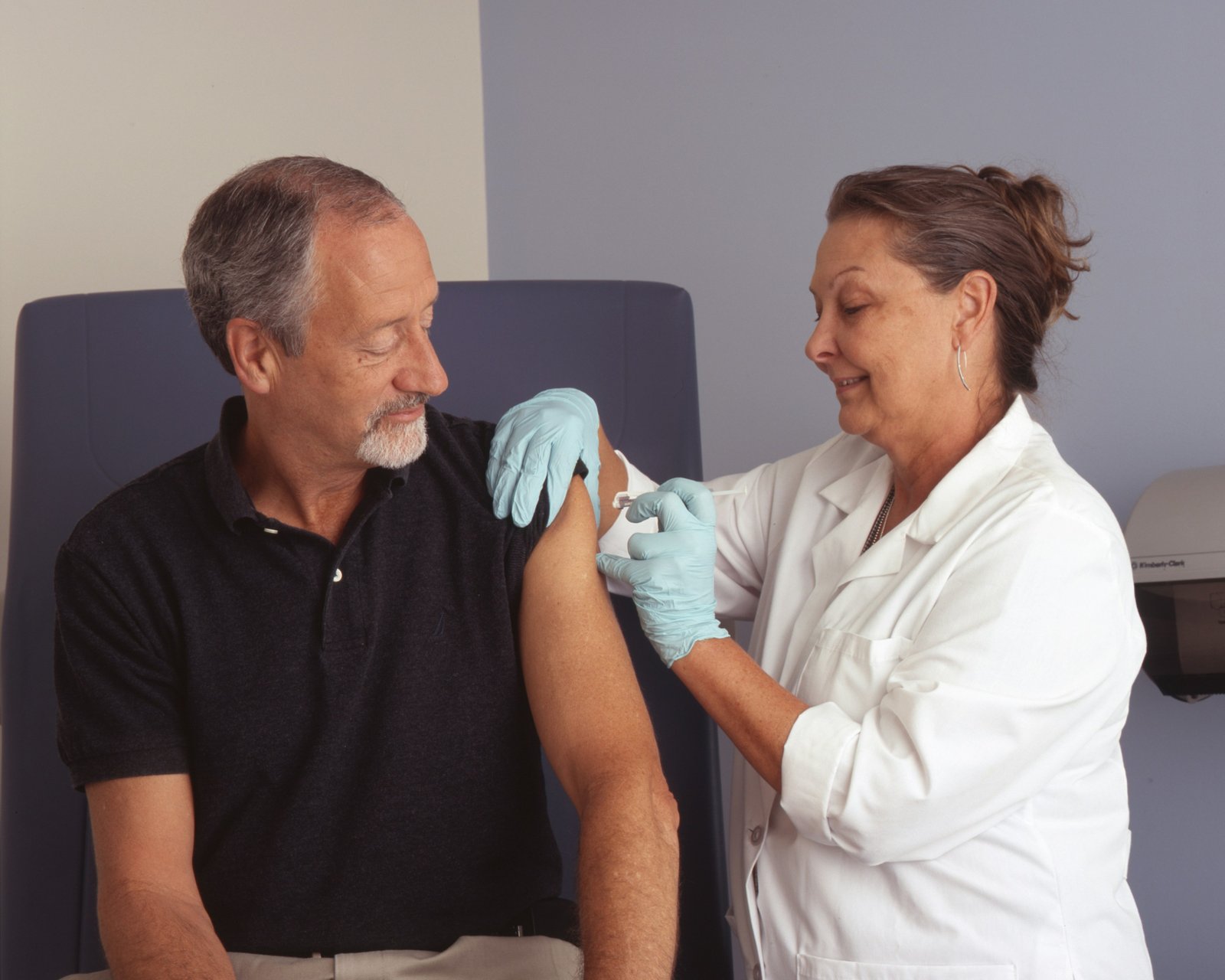
The nursing team was responsible for administering the experimental drug either subcutaneously or intravenously, in accordance with the administration randomization protocol. Additionally, they observed and recorded each participant’s vital signs before, during, and after the drug administration. The team
also collected electrocardiograms from study participants. Futhermore, the nurses provided education on protective factors, strategies to address modifiable risk factors for dementia, and guidance on caring for individuals with dementia and promoting self-care among caregivers. Throughout the clinical trial, the nursing team ensured that the operationalized procedures and protocols established for the RCT were followed successfully. They demonstrated to be observant individuals with extensive experience, flexibility, humaneness, tolerance, kindness, patience, quick decision-making ability, and a capacity to act promptly when necessary and show altruism. These attributes significantly impacted the adherence to the API Colombia trial protocol and its amendments/ modifications in compliance with regulations. Also, reliable data recording avoided deviations from good practices that could affect the quality of the information and the overall quality of the clinical trial. The nursing team’s competence and observations were crucial in identifying immediate adverse reactions to the medication. The nurses contributed to non-pharmacological management when participants experienced behavioral disruptions that hindered medication administration. In these cases, nurses ensured a caregiver’s presence in the treatment room to guarantee medication delivery at scheduled times. Additionally, while monitoring vital signs, nurses detected and reported abnormalities to physicians, particularly blood pressure changes in some participants. Regular training of the nurse team was essential for effectively carrying out their specific responsibilities. Besides, effective communication and positive interprofessional relationships with the entire healthcare team enabled high collaboration and coordination among team members. Similarly, the nursing team contributed to the retention of participants by perceiving the discomfort and distress in some patients and caregivers across the RCT visits, providing support and guidance. The nursing team made a significant effort to prevent errors in the administration of the experimental product, conducting observations, and performing procedures such as electrocardiograms. Their ability to combine technological expertise with compassionate care was vital for participants, families, and caregivers. In this regard, it is evident that the nursing team offers their knowledge and solidarity to serve the most fundamental purpose: human lives. Caring involves intensive work, often invisible due to the emotional challenges it encompasses. In line with the above, the nursing team did not limited their role solely to administering medication. Nursing care necessitates a more holistic approach to the unique needs of each individual, considering their social, cultural, and existential context. All the particularities of the participants, caregivers, and family members linked to the API Colombia RCT could have lead to an increased emotional burden within the nursing team, which could in turn have affected the participant-family-nurse relationship. We believe that empathic support enhanced the care process, favoured regulating emotions, mitigated negative reactions to the disease diagnosis and non-clinical social and personal difficulties between the participants, the family or within the community. Establishing a proper nurse-patient-family relationship counters every actor’s emotional reactions, resulting in understanding, security, humanized service, respect, and support, positively impacting emotional well-being.
Conclusion
Based on our years of active participation in the API Colombia clinical trial, we observed the nursing team’s positive impact on the successful implementation of the RCT. This success stemmed from effective resource management through strict protocol compliance and meticulous clinical data collection and registry, ensuring reliable information for subsequent analyses. The nursing team’s responsibilities required strong logistic skills, extensive planning, and execution of activities, particularly in maintaining continued training on the study protocol and its amendments. Similarly, the double-blind nature of the RCT design and the empathic care demands extreme confidentiality in handling sensible information from the participants, their relatives, and caregivers. All these efforts resulted in optimal progress across the study visits until the conclusion of the RCT, with good follow-up compliance. Our experience supports that the role of the nursing team in a clinical trial contributes to and facilitates strict adherence to the study protocol and the standards of good clinical practice. At the GNA, the nursing role is considered fundamental and is widely recognized by the team of professionals involved in the research practice. Several abilities are required to meet the objectives of the nursing team in long-term clinical trials: adaptive communication skills, strong interpersonal relationships, teamwork abilities, autonomy, problem-solving agility, time planning skills, accurate documentation, prioritization and quick review skills, rapid learning and repetitive training of operationalized protocols, willingness to embrace change as something innovative, accuracy in procedures for medication application and dosage calculations, leadership skills to drive organizational change in clinical units, the ability to contribute with their experience to clinical research, and a natural commitment to ethical relationships with patients, colleagues, and the society. Besides, the nursing team has provided the participants and patients of the API Colombia RCT with holistic care, encompassing educational and training aspects, while strengthening team communication and support, as well as improving individual skills. They meticulously followed the study protocol, stressing the importance of the confidentiality of participants’ data. The nursing team participated in developing risk assessment matrices aimed at improving participant safety and preventing accidents in the investigational product administration. They were actively concerned with the physical comfort of participants, detecting changes in room temperature to ensure the patient stays warm and without distress during the medication administration or observation period. Finally, following Watson,21 the nursing team at GNA provided psychological support by actively listening to participants, addressing their medication-related concerns, and serving as a trusted outlet for both positive and negative emotions while strengthening connections between patients and their caregivers/families. This empathetic and emotionally intelligent approach can enhance quality of life for all participants, caregivers, and families involved in long-term follow-up RCTs for drug development in neurodegenerative diseases like EOFAD. Through these nurturing nurse-participant-family relationships, emotions can be channeled in ways that build resilience. Conflicts of interest The authors declare having no potential conflicts of interest.